[ad_1]
Learning is a lifelong journey that spans every age and stage of life. Whether you are a student, a professional, or a retiree, the quest for knowledge is never-ending. Cultivating effective learning strategies is essential for maximizing your potential and enhancing your cognitive abilities. In this article, we’ll explore universal techniques and effective strategies that can help individuals of all ages master the art of learning.
Understanding the Learning Process
Before diving into strategies, it’s important to understand how learning occurs. The learning process generally involves four key stages:
- Acquisition: This is where new information is presented and received.
- Retention: The ability to retain and recall information over time.
- Application: Effectively using acquired knowledge in different contexts.
- Reflection: Evaluating what worked well, what didn’t, and how to improve in the future.
Effective Learning Strategies
1. Active Learning
Active learning occurs when learners engage directly with the material. Techniques include:
- Summarizing information in your own words.
- Teaching others what you’ve just learned.
- Participating in discussions and Q&A sessions.
- Practicing problem-solving within the context of real-world scenarios.
2. Spaced Repetition
This technique involves distributing learning sessions over time, rather than cramming all at once. Studies show that spaced repetition greatly enhances retention. You can use tools such as flashcards and spaced repetition software to help reinforce material over time.
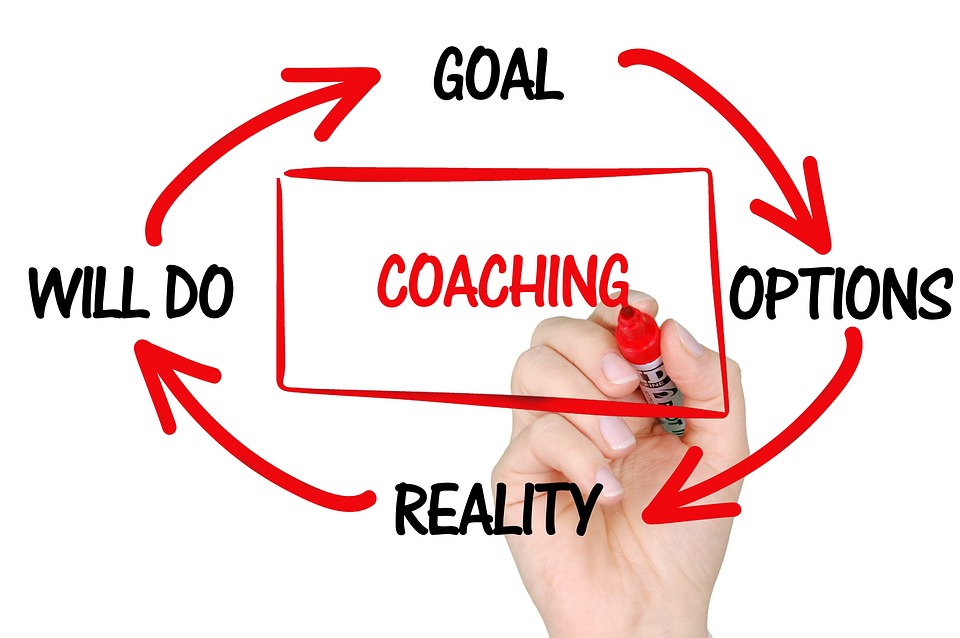
3. Setting SMART Goals
Setting Specific, Measurable, Achievable, Relevant, and Time-bound (SMART) goals can provide direction and motivation. Goals help focus your efforts and break down larger tasks into manageable steps, making it easier to track your progress.
4. Mind Mapping
Mind mapping is a visual representation of information that helps in organizing thoughts and ideas. It enhances creativity, improves comprehension, and aids in memory retention. This technique is particularly useful for visual learners and complex subjects.
5. Utilizing Technology
In the digital age, leveraging technology can vastly improve the learning experience. Tools like online courses, educational apps, podcasts, and e-books can offer diverse learning experiences. Additionally, online forums and community groups can provide support and collaboration opportunities.
6. Continuous Reflection
Taking the time to reflect on your learning experiences can lead to greater insights and better strategies in the future. Keeping a learning journal can help track what methods worked best and what you wish to improve upon.
7. Cultivating a Growth Mindset
A growth mindset, as proposed by psychologist Carol Dweck, is the belief that abilities and intelligence can be developed through dedication and hard work. Embracing failures as learning opportunities fosters resilience and enhances motivation.
Learning at Different Ages
Adapting learning strategies to fit different age groups is crucial. Here’s how various ages can implement effective learning techniques:
Children
For young learners, incorporating play into learning can make complex ideas more digestible. Interactive games, storytelling, and hands-on activities can boost engagement and retention.
Teens
Teens benefit from understanding the ‘why’ behind what they’re learning. Encouraging them to set personal academic goals and engage in group study sessions can enhance their motivation and collaboration skills.
Adults
For adults, applying learning to real-world scenarios is vital. Self-directed learning, professional development courses, and networking with peers can greatly enhance skills and knowledge.
Seniors
Seniors can benefit from lifelong learning programs that encourage social engagement. Classes that focus on hobbies and interests can not only enhance skills but also foster community and combat loneliness.
Conclusion
Mastering the art of learning is essential for individuals of all ages. By implementing effective strategies like active learning, spaced repetition, and goal-setting, everyone—including children, teens, adults, and seniors—can unlock their full potential. Embracing a growth mindset and regularly reflecting on learning experiences can further enhance skills and knowledge. Remember, the journey of learning is ongoing and dynamic, making it as important as the destination.
FAQs
1. What is the best learning style?
There is no one-size-fits-all answer; effective learning depends on individual preferences. However, a mix of visual, auditory, and kinesthetic inputs often yields the best results.
2. How long should I study to be effective?
Effective study sessions usually last between 25 to 50 minutes, with short breaks in between. This approach prevents burnout and enhances retention.
3. Can anyone learn effectively at any age?
Absolutely! While learning might take different forms at various ages, the right strategies can foster effective learning at any stage of life.
4. How can I stay motivated to learn?
Setting goals, finding a supportive community, and celebrating small achievements can help maintain motivation throughout your learning journey.
5. What role does technology play in learning?
Technology enhances learning by providing access to diverse resources, facilitating interactive learning experiences, and fostering collaboration among learners.
[ad_2]