[ad_1]
Creating an engaging classroom environment is one of the most critical elements of effective teaching and learning. Engaged students are more likely to be motivated, retain information, and develop a love for learning. Here are ten proven strategies to foster a more engaging classroom experience.
1. Incorporate Active Learning Techniques
Active learning enables students to participate in the learning process actively rather than passively receiving information. Techniques such as think-pair-share, group discussions, and problem-solving activities allow students to engage with the content. This approach promotes critical thinking and collaboration.
2. Use Technology Wisely
Integrating technology into the classroom can enhance learning. Tools like interactive whiteboards, educational apps, and online quizzes can make lessons more dynamic. However, it’s essential to ensure technology serves a purpose and enhances the learning experience rather than distracts from it.
3. Foster a Collaborative Learning Environment
Collaboration can significantly increase engagement. Group projects, peer teaching, and study sessions help students learn from one another. Creating a supportive atmosphere where students feel comfortable sharing their ideas enhances learning and builds community.
4. Encourage Student Choice
Allowing students to have a say in their learning pathway can boost motivation. Provide options for projects, topics, or ways to demonstrate their understanding. When students feel a sense of ownership over their learning, they are more likely to be engaged.
5. Connect Learning to Real-World Contexts
Making lessons relatable to students’ lives encourages interest. Show how academic concepts apply to real-world situations or current events. Inviting guest speakers or organizing field trips can also ignite curiosity and make lessons more relevant.
6. Implement Gamification
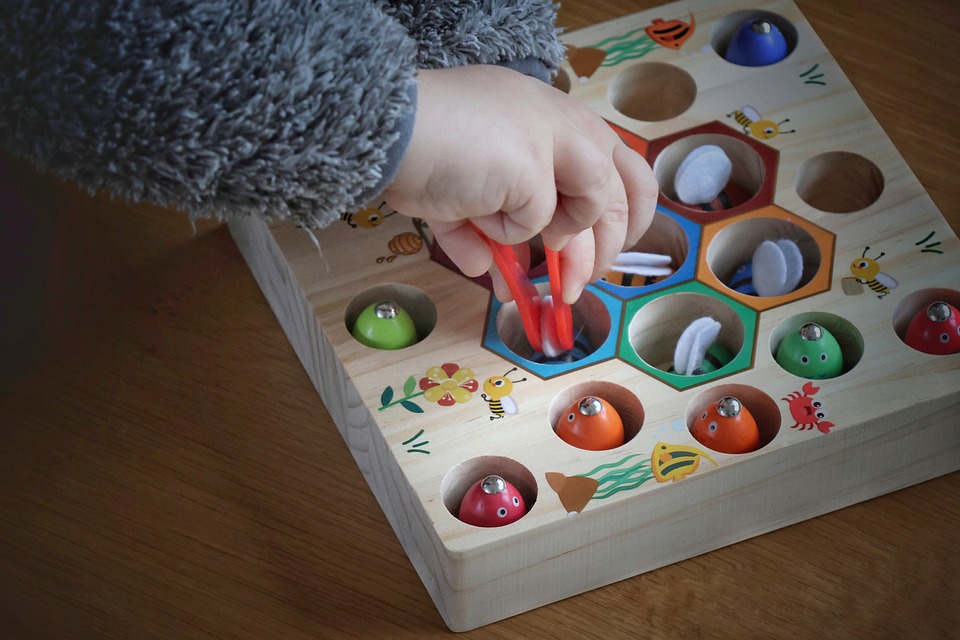
Gamification introduces game-like elements into the learning process, such as point scoring, leaderboards, and challenges. These elements can stimulate engagement and foster a competitive yet fun environment. Educational games can reinforce key concepts while keeping energy levels high.
7. Utilize Formative Assessment
Formative assessments guide instruction by providing feedback on student understanding. Use quick quizzes, exit tickets, or think-alouds to gauge comprehension throughout a lesson. This data allows teachers to adjust their approaches and can make students feel more supported in their learning journey.
8. Create a Positive Classroom Culture
A positive classroom culture is vital for student engagement. Establish clear expectations, celebrate achievements, and promote respect among classmates. Building relationships based on trust and understanding allows students to feel safe and secure in expressing their thoughts and opinions.
9. Encourage Creativity and Innovation
Creativity fosters engagement. Allow opportunities for creative expression through projects, art, or presentations. Encourage students to think outside the box and explore new ideas, which can lead to deeper understanding and increased interest in the subject matter.
10. Reflect and Adapt
Regularly reflecting on your teaching strategies and seeking student feedback can improve engagement levels. Know that every class is different, and adapting your methods to meet students’ needs is vital. Continual improvement through self-reflection can lead to a more dynamic learning environment.
Conclusion
Engaging students in the classroom requires a blend of innovative strategies and a genuine commitment to fostering a positive learning environment. By implementing these ten proven strategies, educators can create a stimulating and interactive classroom experience that encourages students to take an active role in their learning. The outcome? More motivated students and a thriving educational atmosphere.
FAQs
1. How can I assess student engagement in my classroom?
Engagement can be assessed through observations, feedback forms, participation levels, and formative assessments. Regular check-ins can also help gauge student interest and understanding.
2. What role does classroom layout play in student engagement?
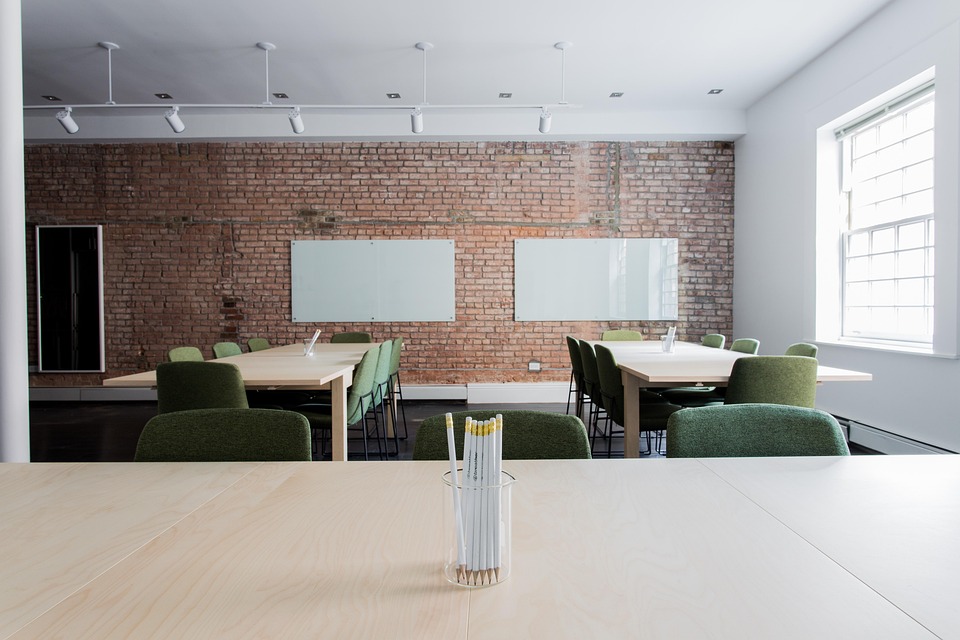
A well-designed classroom layout can facilitate collaboration and engagement. Flexible seating arrangements, group workspaces, and designated activity zones can enhance interaction and participation.
3. How can I encourage shy students to participate?
Make participation low-pressure by using smaller groups or pairs, employing anonymous answer tools, and providing positive reinforcement. Building relationships and creating a supportive environment can also help.
4. Can I incorporate these strategies into a virtual classroom?
Yes! Many strategies, such as active learning, collaboration, and gamification, can be adapted for online learning through tools like breakout rooms, virtual quizzes, and interactive presentations.
5. How important is student feedback in improving engagement?
Student feedback is crucial. It helps educators understand what works and what doesn’t, enabling them to adapt their teaching methods to enhance engagement and learning outcomes.
[ad_2]